Thursday, 17 September 2015

Line Contact Sheet

Favourite Twenty Four -
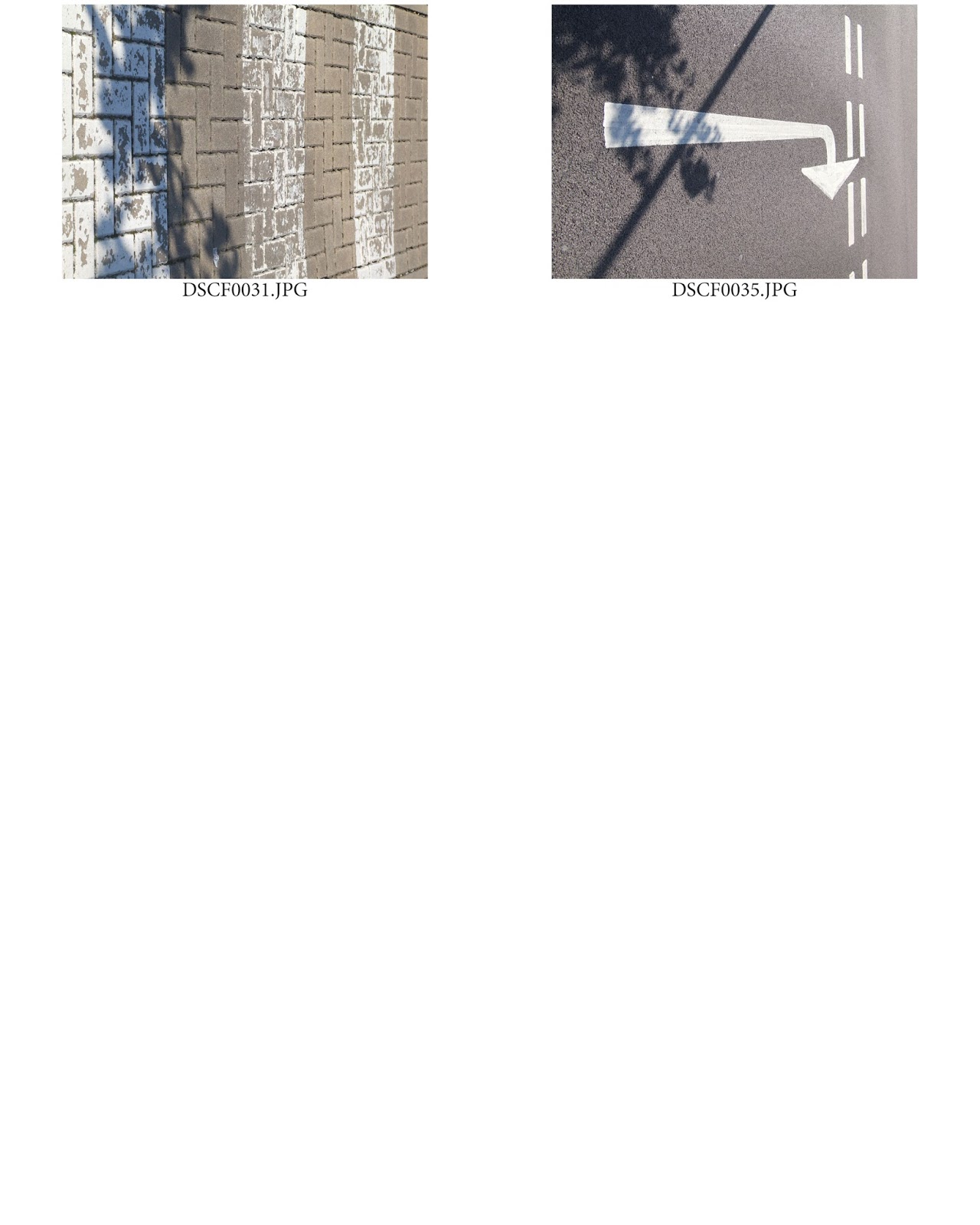
The images featured below are my favourite twenty four from my recent photography expedition that were taken whilst working from the starting point of 'Lines'.


Line Image Bank

Line Image Bank -

Aaron Siskind -
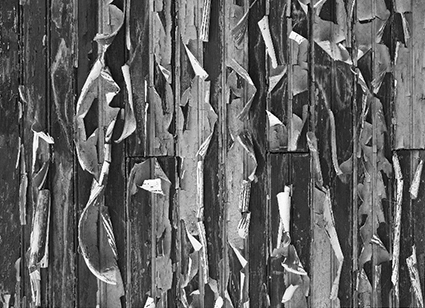
The photographer, Aaron Siskind, predominantly uses black and whilst studying the harshness of lines.
The flaking paintwork featured in many of his works reflects the idea of the breaking foundations of society and to me has connotations of sorrow.


Walker Evans -
The photographer, Walker Evans, also works in black and white but in comparison to Aaron Siskind his works feature portraits as well as lines. I feel that Evans' photographs capture character and also depth and the tonal qualities of working in a black and white medium. 


Wednesday, 16 September 2015

Glossary Definitions 2 -

Glossary of Terms - 

Lines:
Horizontal - A line that follows the horizon.
Vertical - A line that travels either up or down.
Diagonal - A line that cuts across an image in a straight line that is neither vertical nor horizontal.
Curving - A line that flows fluidly not in a straight line.
Converging - Two or more lines that meet at the same point.
Leading - A line that leads to a specific point which the eye is intended to notice.

Colour:
Colour - one or multiple lights that can be separated into a spectrum/ rainbow.
Saturation - the intensity or dominance of the hue in the colour.
Muted Colour - a dulled colour made by adding white or black to the original hue.
Analogous Colour - three colours next to each other on the colour wheel with one being the dominant eg. the dominant being a primary or secondary colour with the ones on either side forming the analogous colours.
Complementary Colour - Colours opposite on the colour wheel that compliment each other.

Pattern:
Pattern -  A repeated decorative design.

Texture:
Texture - The feel, appearance or consistency of a surface or a substance.

Form:
Form - A three dimensional shape/ the visible shape or configuration of something.
(in 2D an illusion of form can be created using tone and perspective).

Tone: 
Tone - Tone refers to the overall lightness or darkness of an image. Tone is created by the way in which light falls upon a 3D object.
Gamut - Range in reference to tone.
Highlight - The area which is most lit up by the light on the subject.
Lowlight - The area which is darkest from the light not reaching it.
Transitional Tone - The tone in-between a highlight and a shadow(the middle value).
Core Shadow Tone - The shadow on the low lit area of the subject.
Cast Shadow - The shadow cast by the object.


Motion:
Motion - The action or process of moving or being moved.

Joiners:
Joiners - Panography, or joiners, is a photographic technique in which one picture is assembled from several overlapping images.

Portraiture:
Portrait - A painting, drawing, photograph often focusing on an individual.
Portraiture - The art of painting or taking photographs.

Other: 
Iso - International Standards Organisation
Depth of Field - The distance between the nearest and the furthest objects giving a focused image  
SLR - Single Lens Reflex
300 PPI - Pixels Per Inch. 300 used for print. 
72 PPI - Pixels Per Inch. 72 used for websites and online. 
DPI - Dots Per Inch
Whitebalance - The colour balance on a digital camera. 
Colour Temperature - Whether an image is more towards the blue or the red end of the spectrum. 

Camera:
ISO - International Standards Organisation (the amount of light let in). 
Aperture - How open the lens is (serves as the pupil).
Shutter Speed - How quickly the lens closes.
Depth of Field - What is in focus in an image (small f/stop narrow = foreground in focus). 

Photoshop:
Dodge - Making an image lighter. 
Burn - Making an image darker. 


Glossary Definitions 1 -

Definitions - 

Line -

Horizontal Line: A line that follows the horizon.

Vertical Line: A line that travels either up or down.

Diagonal Line: A line that cuts across an image in a straight line that is neither vertical nor horizontal.

Curving Line: A line that flows fluidly not in a straight line.

Converging Line: Two or more lines that meet at the same point.

Leading Line:
A line that leads to a specific point which the eye is intended to notice.

Colour -

Colour: One or multiple lights that can be separated into a spectrum/ rainbow.

Saturation: The intensity or dominance of the hue in the colour.

Muted Colour:
 A dulled colour made by adding white or black to the original hue.

Analogous Colour: Three colours next to each other on the colour wheel with one being the dominant eg. the dominant being a primary or secondary colour with the ones on either side forming the analogous colours.

Complementary Colour: Colours opposite on the colour wheel that compliment each other.


Other -

Pattern: A repeated decorative design.

Texture: The feel, appearance or consistency of a surface or a substance.

Tone: Tone refers to the overall lightness or darkness of an image. Tone is created by the way in which light falls upon a 3D object.

Form: A three dimensional shape/ the visible shape or configuration of something (in 2D an illusion of form can be created using tone and perspective).

Depth: The distance between the nearest and furthest objects giving a focused image.
Whether the foreground is in focus with a blurred background or whether the whole image is in focus.
The bigger the f/stop value the wider the depth of field.
The smaller the f/stop value the narrower the depth of field.
Can be adjusted using Aperture Priority or on fully Manual mode.

Shape: An area enclosed by a line. The external form, contours or outline of someone or something.

Movement/ Motion: The action or process of moving or being moved.

Reflection: The throwing back of a surface of light, heat or sound without absorption.

Landscape: All the visible features of an area of land, often considered in terms of their aesthetic appeal.

Portrait: A painting, drawing, photograph often focusing on an individual.

Composite: Transforming or altering a photograph using various methods and techniques.

Documentary: A popular form of photography used to chronicle events or environments significant to historic events and or everyday life.

Joiners: Panography, or joiners, is a photographic technique in which one picture is assembled from several overlapping images.

PPI: Pixels Per Inch (If there are too few pixels per inch then the pixels will be large and pixelated jagged edges, see the pixels, before printing adjust to PPI 300 as online).

Formal Elements Mind Map -

Mind Map -